Warning: Undefined array key "find" in /home/u411721261/domains/kiddoniapreschool.com/public_html/wp-content/plugins/seo-by-rank-math-pro/includes/modules/image-seo/class-image-seo-pro.php on line 465
Warning: Undefined array key "replace" in /home/u411721261/domains/kiddoniapreschool.com/public_html/wp-content/plugins/seo-by-rank-math-pro/includes/modules/image-seo/class-image-seo-pro.php on line 465
Warning: Undefined array key "find" in /home/u411721261/domains/kiddoniapreschool.com/public_html/wp-content/plugins/seo-by-rank-math-pro/includes/modules/image-seo/class-image-seo-pro.php on line 465
Warning: Undefined array key "replace" in /home/u411721261/domains/kiddoniapreschool.com/public_html/wp-content/plugins/seo-by-rank-math-pro/includes/modules/image-seo/class-image-seo-pro.php on line 465
Teaching children about good hygiene is not just about avoiding germs; it’s about establishing habits that contribute to lifelong health and wellness. A structured daily routine for preschoolers provides the perfect foundation to introduce these practices in a consistent and enjoyable way. By blending hygiene lessons with predictable routines, parents and teachers help young children adopt habits that will remain with them as they grow.
Why a Daily Routine for Preschoolers Matters
Children thrive on predictability. A clear daily routine for preschoolers ensures they know what to expect, creating a sense of security and responsibility. Hygiene habits like handwashing, toothbrushing, and nail care become second nature when embedded in daily schedules. This not only supports physical health but also boosts confidence and independence.
Handwashing as a Routine Habit
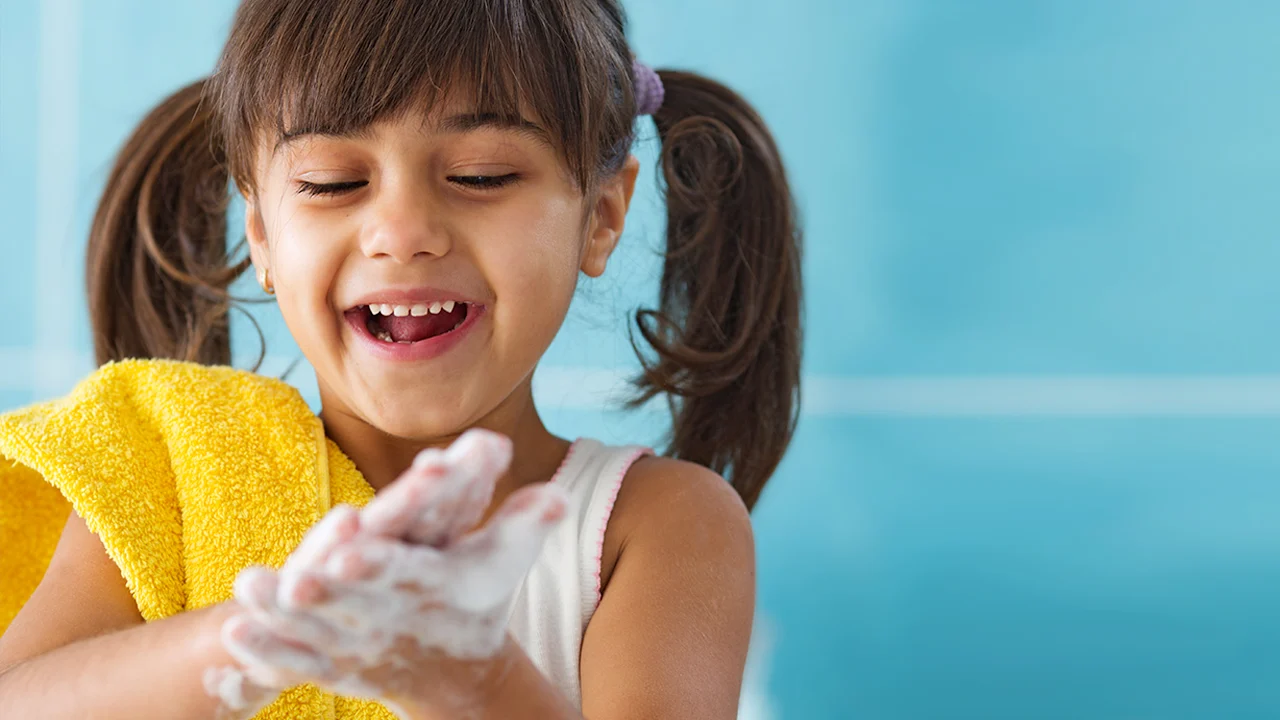
Proper handwashing is one of the first and most important lessons in hygiene. By making it part of a daily routine for preschoolers, children quickly learn when and how to wash their hands. Singing songs, using colorful soaps, and practicing before meals or after play make the process engaging and memorable.
Toothbrushing in the Morning and Night
Oral hygiene sets the stage for healthy smiles. Teachers and parents can reinforce toothbrushing twice a day as part of a structured daily routine for preschoolers. With fun toothbrushes and fruity-flavored toothpaste, children see this task not as a chore but as a fun part of their morning and bedtime activities.
Nail Care and Cleanliness
Nail hygiene is often overlooked, yet it’s vital in preventing the spread of germs. Adding regular nail trimming to a daily routine for preschoolers helps children understand the importance of clean, short nails. Parents can turn this into a bonding activity while explaining why it matters.
Tissue Use and Personal Hygiene
Cold and flu season is the right time to teach responsible tissue use. Incorporating it into the daily routine for preschoolers ensures kids learn to cover their mouths when sneezing, dispose of tissues properly, and wash hands afterward. These small steps lead to healthier classrooms and homes.
Linking Hygiene to Healthy Living
Good hygiene goes hand in hand with nutrition and activity. A balanced diet and plenty of water should be included in a daily routine for preschoolers. Parents and teachers can emphasize eating fruits, vegetables, and healthy snacks, linking these habits to energy, strength, and immunity.
Physical Activity and Hygiene Awareness
Active play is essential for physical and emotional development. Embedding physical activity into the daily routine for preschoolers also provides an opportunity to teach post-activity hygiene like washing hands, changing clothes, and staying hydrated. This creates a full cycle of wellness and cleanliness.
Quality Sleep as Part of Routine
Sleep is another cornerstone of health. A bedtime ritual within the daily routine for preschoolers ensures that children get adequate rest. Brushing teeth, washing hands, and listening to a calming story before bed create habits that support strong immune systems and overall well-being.
Making Hygiene Fun Through Play
Children learn best through play. Teachers can integrate hygiene lessons into role-play, rhymes, and storytelling. By weaving these lessons into a daily routine for preschoolers, educators make learning interactive and memorable. For example, a story about a superhero who fights germs encourages children to take ownership of their habits.
Parents as Role Models
Children mirror adult behavior. When parents model hygiene consistently, they reinforce the daily routine for preschoolers at home. Whether it’s showing kids how to wash hands properly or brushing teeth together, parental example is a powerful tool in habit formation.
Choosing Child-Friendly Products
To make hygiene routines easier, caregivers should choose mild, child-safe products. Soft soaps, gentle toothpaste, and safe wipes make the daily routine for preschoolers pleasant rather than stressful. This also reduces resistance and builds positive associations with cleanliness.
Conclusion: Healthy Habits for Life
In conclusion, embedding hygiene into a daily routine for preschoolers is one of the most effective ways to instill lifelong healthy habits. At Kiddonia Preschool Ravet, teachers prioritize not only academics but also character-building and wellness, ensuring children thrive holistically.
By making hygiene predictable, fun, and consistent, families and preschools work together to raise healthier, happier, and more responsible children. These routines shape not just cleanliness but also confidence, independence, and readiness for future challenges.