Helping preschoolers be independent is one of the most important steps in their early growth. When children learn to do small tasks on their own, they develop self-help skills, confidence, and the ability to handle everyday situations. Parents can encourage independence by giving simple choices, like letting kids pick their clothes or snacks, and by involving them in small responsibilities, such as tidying up toys or helping set the table.
These little efforts not only make children feel capable but also prepare them for future learning and problem-solving. With gentle guidance, praise, and patience, parents can nurture independence in preschoolers while still offering the support they need.
Benefits of Encouraging Independence
Emotional Development: Helping Preschoolers Be Independent
Emotional development is the process through which children learn to recognize, understand, and manage their own emotions, as well as respond appropriately to the emotions of others. In preschoolers, it helps build confidence, empathy, and social skills. Children start expressing feelings like happiness, frustration, or sadness more clearly and begin to understand concepts like sharing, taking turns, and showing care for others.
Parents and caregivers support this by guiding children to label and manage their emotions, modeling healthy responses, and offering encouragement. Encouraging emotional development helps preschoolers handle challenges, develop positive relationships, and grow into emotionally aware and resilient individuals. Simple practices like talking about feelings, reading stories about emotions, and praising effort can make a big difference.
Encouraging independence in preschoolers contributes significantly to their emotional development. When children accomplish tasks on their own, they experience a sense of pride and accomplishment. This emotional boost helps them develop a positive self-image and resilience.
Self-Confidence Boost: Helping Preschoolers Be Independent
Independence fosters self-confidence in preschoolers. As they tackle tasks independently, they become more assured of their abilities. This confidence extends beyond the immediate task, influencing their overall outlook on challenges they may face.
Helping Preschoolers Be Independent: Strategies for Encouraging Independence
Setting Simple Tasks
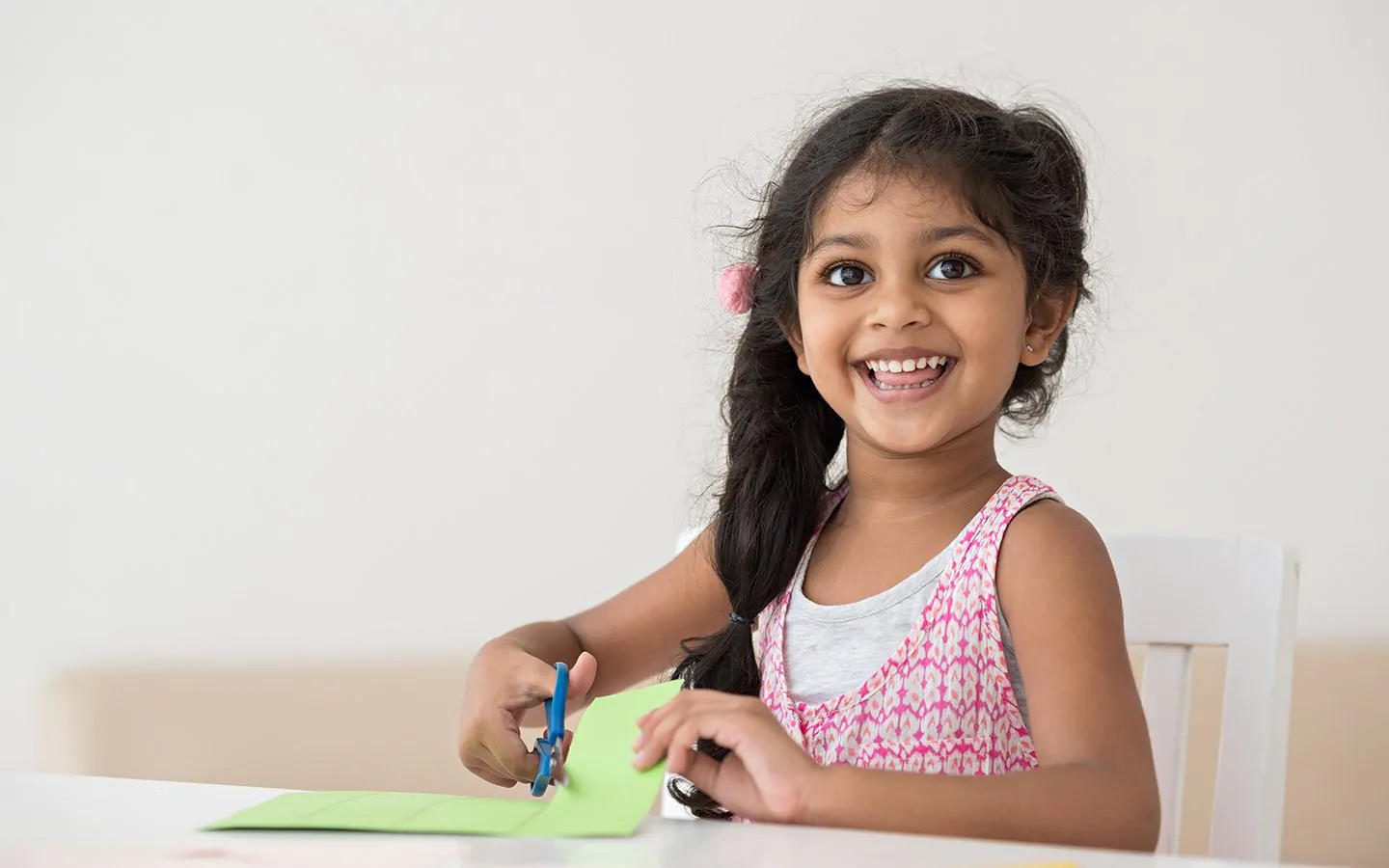
Helping preschoolers be independent can start with setting simple tasks. Giving children small responsibilities—like putting away toys, arranging their school bag, or pouring water—teaches them to take initiative and complete tasks on their own. These simple tasks boost confidence, develop problem-solving skills, and encourage a sense of responsibility. Parents can support independence by giving clear instructions, demonstrating when needed, and praising effort. Over time, these small steps help preschoolers handle bigger challenges independently and confidently.
Offering choices empowers preschoolers and encourages independence. Instead of dictating what they should do, provide options within acceptable limits. For instance, let them choose between two outfits or decide which book to read before bedtime.
Encouraging Problem-Solving
Helping preschoolers be independent involves encouraging problem-solving in their daily activities. When children face small challenges—like figuring out how to build a block tower, solve a simple puzzle, or decide what to wear—they learn to think critically and make decisions on their own. Parents can support this by offering guidance without taking over, asking open-ended questions, and praising effort rather than just results. Encouraging problem-solving not only boosts independence but also builds confidence, resilience, and a sense of responsibility in preschoolers.
Encourage your child to solve problems independently. Resist the urge to intervene immediately when they encounter difficulties. Instead, guide them through the process of finding solutions, fostering critical thinking skills and independence.
Praising Efforts
Acknowledge and praise your child’s efforts, regardless of the outcome. Positive reinforcement builds confidence and motivates them to continue striving for independence. Celebrate their achievements, no matter how small, to cultivate a positive attitude towards learning and growth.
Summary
In conclusion, fostering independence in preschoolers is not only beneficial for their emotional development and self-confidence but also sets a strong foundation for their future growth and success. By implementing strategies such as setting simple tasks, allowing choices, encouraging problem-solving, and praising efforts, parents can nurture their child’s independence effectively. Kiddonia Preschool Wakad understands the importance of encouraging independence in young children and strives to incorporate these principles into its curriculum. As one of the best preschools in Wakad, Kiddonia Preschool Wakad provides a supportive environment where children are empowered to explore, learn, and grow independently, preparing them for a bright future ahead. them more manageable and boosts your child’s confidence.