Warning: Undefined array key "find" in /home/u411721261/domains/kiddoniapreschool.com/public_html/wp-content/plugins/seo-by-rank-math-pro/includes/modules/image-seo/class-image-seo-pro.php on line 465
Warning: Undefined array key "replace" in /home/u411721261/domains/kiddoniapreschool.com/public_html/wp-content/plugins/seo-by-rank-math-pro/includes/modules/image-seo/class-image-seo-pro.php on line 465

Warning: Undefined array key "find" in /home/u411721261/domains/kiddoniapreschool.com/public_html/wp-content/plugins/seo-by-rank-math-pro/includes/modules/image-seo/class-image-seo-pro.php on line 465
Warning: Undefined array key "replace" in /home/u411721261/domains/kiddoniapreschool.com/public_html/wp-content/plugins/seo-by-rank-math-pro/includes/modules/image-seo/class-image-seo-pro.php on line 465
Preschoolers in Pune: Creating a Positive Learning Environment at Home
When it comes to shaping young minds, your home is the first and most important classroom. For preschoolers in Pune, the surroundings they grow up in can make all the difference in building curiosity, confidence, and a love for learning Preschoolers.
Preschoolers thrive in environments that nurture their curiosity, creativity, and sense of exploration. As parents, creating a conducive learning atmosphere at home is essential for their holistic development. Here are some effective strategies to establish a positive learning environment for preschoolers:
Creating a positive learning environment is vital for preschoolers as it sets the foundation for their future academic success and overall well-being. Home is the first learning environment for children, and optimizing it for educational activities can greatly enhance their learning experiences.
Designating a Learning Space
Set aside a specific area in your home dedicated to learning activities. Whether it’s a corner of the living room or a cozy nook in their bedroom, having a designated space helps children associate learning with a specific environment, promoting focus and concentration.
Incorporating Play and Exploration
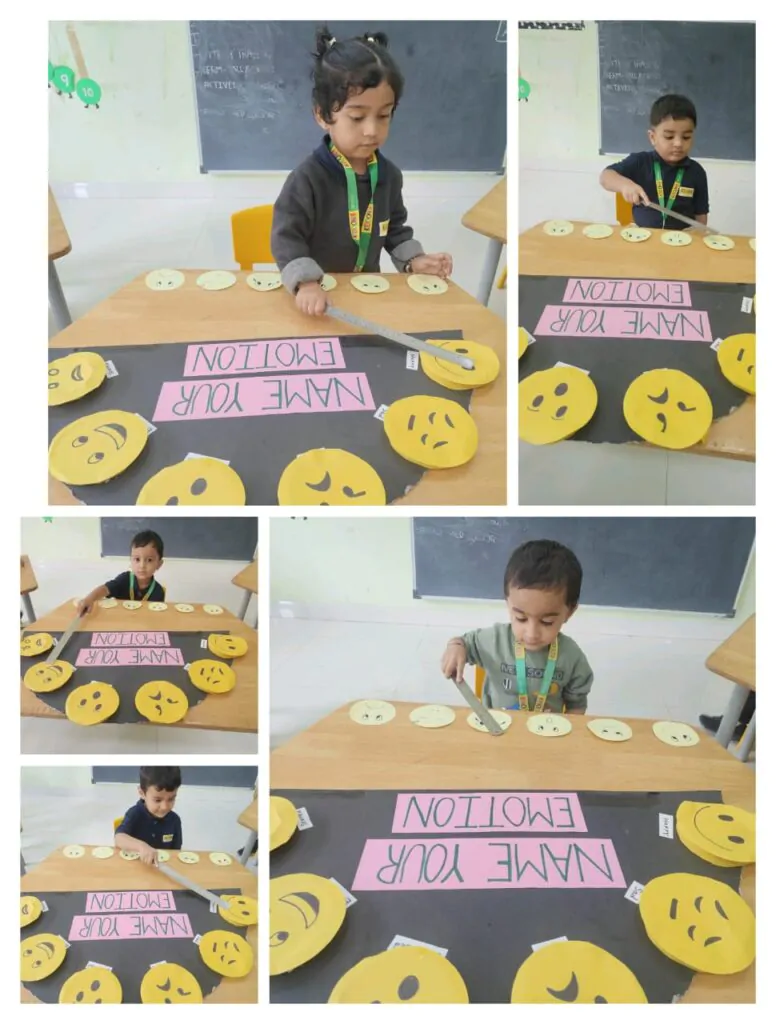
Encourage learning through play by providing toys, games, and activities that stimulate their imagination and problem-solving skills. Allow them to explore and discover new concepts at their own pace, fostering a love for learning from an early age.
Understanding a Preschooler’s Needs
Cognitive Development at Preschool Age
Between ages 3 and 5, children’s brains are like sponges. They’re constantly absorbing language, shapes, colors, numbers, and problem-solving skills.
Emotional and Social Growth
Preschoolers start forming friendships, learning empathy, and understanding boundaries.
Physical Activity and Motor Skills
Climbing, running, coloring, or even pouring water are activities that refine motor skills and coordination.
Key Elements of a Positive Learning Environment
Safety and Comfort
Your child should feel safe and secure before they can fully focus on learning. Soft corners, non-slip mats, and child-proof cabinets go a long way.
Organized Learning Spaces
Dedicated spaces with books, puzzles, and craft supplies create structure.
Age-Appropriate Learning Materials
From wooden blocks to picture books, the right tools match your child’s developmental stage.
Creating a Learning-Friendly Space at Home
Choosing the Right Spot
Pick a quiet corner away from high-traffic areas.
Lighting and Ventilation
Natural light boosts focus and mood, while fresh air keeps the space energizing.
Reducing Distractions
Minimize background noise and keep toys organized to avoid chaos.
Encouraging Active Learning Through Play
Educational Toys and Games
Puzzles, sorting games, and building blocks encourage critical thinking.
Role of Storytelling and Reading
Reading daily boosts vocabulary and imagination.
Sensory Play Activities
Clay modeling, sand play, and water activities stimulate multiple senses.
Integrating Learning into Daily Routines
Mealtime Learning Opportunities
Count fruits, discuss colors, and talk about nutrition while eating.
Chores as Learning Moments
Folding clothes or setting the table teaches responsibility.
Nature Walks and Outdoor Learning
Pune’s parks and gardens offer lessons in science and observation.
Promoting Emotional Well-being
Positive Reinforcement and Praise
Celebrate small achievements to build self-esteem.
Open Communication
Encourage your child to share feelings without judgment.
Managing Tantrums and Big Emotions
Teach deep breathing or a calm-down corner for emotional regulation.
Leveraging Technology Wisely
Educational Apps and Videos
Apps like Khan Academy Kids or storytelling videos can supplement learning.
Screen Time Balance
Follow WHO guidelines—no more than 1 hour of quality screen time per day for preschoolers.
Parental Guidance in Tech Use
Always watch with your child to explain concepts and prevent overuse.
Involving Parents and Family Members
Co-Learning Activities
Art projects, baking, or science experiments create bonding moments.
Grandparent Engagement
Elders can share stories, songs, and cultural wisdom.
Sibling Interactions
Older siblings can help teach younger ones through play.
Local Pune Resources for Parents
Libraries and Community Centers
Places like the British Library or local reading clubs offer preschool-friendly programs.
Parent Support Groups
Facebook and WhatsApp groups connect parents for activity ideas.
Preschools and Daycare Collaborations
Partnering with your child’s preschool can align home and school learning goals.
Overcoming Common Challenges
Space Constraints in Pune Homes
Opt for foldable furniture or multipurpose storage to maximize small spaces.
Balancing Work-from-Home and Parenting
Set schedules and use quiet-time activities for focused work hours.
Managing Expectations
Every child learns at their own pace—patience is key.
Conclusion
Creating a positive learning environment at home for preschoolers in Pune doesn’t require huge investments—just intentional planning, love, and consistency. When home becomes a safe, engaging, and encouraging space, children are naturally inspired to explore, learn, and grow into confident learners.
FAQs
1. How much time should I spend on learning activities with my preschooler?
Around 1–2 hours spread throughout the day is ideal.
2. Can small apartments in Pune still have a learning corner?
Yes, even a small, well-organized table and bookshelf can work wonders.
3. What are some low-cost learning activities?
Storytelling, drawing, sorting household items, and nature walks are free and effective.
4. How do I know if my child is learning enough at home?
Look for signs like curiosity, problem-solving, and improved communication skills.
5. Should I follow a strict daily learning schedule?
A flexible routine works best for preschoolers—keep it structured but adaptable.
Establishing Routine and Structure
Consistency is key for preschoolers. Establish a daily routine that includes structured learning time, playtime, meals, and rest. Having a predictable schedule provides a sense of security and stability, reducing anxiety and promoting overall well-being.
Promoting Positive Reinforcement
Acknowledge and praise their efforts and achievements regularly. Positive reinforcement boosts their self-esteem and motivation, making them more eager to engage in learning activities and take on new challenges.
Utilizing Educational Resources
Make use of books, educational games, puzzles, and interactive apps to supplement their learning at home. Choose materials that align with their interests and cater to their developmental stage, making learning enjoyable and engaging.
Balancing Screen Time
Limit exposure to electronic devices and screen time to ensure a healthy balance between online and offline activities. Set clear boundaries and guidelines, and encourage alternative forms of entertainment and learning, such as outdoor play and hands-on activities.
Engaging in Hands-On Activities
Encourage creativity and critical thinking through hands-on activities like arts and crafts, science experiments, and sensory play. These experiences provide opportunities for tactile learning and spark curiosity about the world around them.
Encouraging Social Interaction
Facilitate opportunities for preschoolers to interact with peers, whether through playdates, group activities, or organized classes. Social interaction helps develop crucial social skills like communication, cooperation, and empathy.
Staying Patient and Supportive
Be patient and supportive, especially during challenging moments or learning setbacks. Offer guidance and encouragement, emphasizing effort and progress rather than perfection, to build resilience and a growth mindset.
Summary
By implementing these strategies, parents can create a positive learning environment at home that nurtures the intellectual, emotional, and social development of their preschoolers. With patience, encouragement, and a commitment to lifelong learning, every moment becomes an opportunity for growth and discovery.
As a parent seeking the best preschool in Wakad, Kiddonia Preschool in Wakad stands out as an exemplary choice. With its commitment to providing a nurturing environment that fosters curiosity, creativity, and exploration, Kiddonia Preschool offers a comprehensive approach to early childhood education. By partnering with Kiddonia Preschool, parents can ensure their child receives the foundational skills and support needed for future academic success and overall well-being.