Warning: Undefined array key "find" in /home/u411721261/domains/kiddoniapreschool.com/public_html/wp-content/plugins/seo-by-rank-math-pro/includes/modules/image-seo/class-image-seo-pro.php on line 465
Warning: Undefined array key "replace" in /home/u411721261/domains/kiddoniapreschool.com/public_html/wp-content/plugins/seo-by-rank-math-pro/includes/modules/image-seo/class-image-seo-pro.php on line 465
Warning: Undefined array key "find" in /home/u411721261/domains/kiddoniapreschool.com/public_html/wp-content/plugins/seo-by-rank-math-pro/includes/modules/image-seo/class-image-seo-pro.php on line 465
Warning: Undefined array key "replace" in /home/u411721261/domains/kiddoniapreschool.com/public_html/wp-content/plugins/seo-by-rank-math-pro/includes/modules/image-seo/class-image-seo-pro.php on line 465
The Benefits of Music and Movement: Enhancing Development in Toddlers
Music is a universal language that speaks to every child before they can even form words. The rhythm of a song or the beat of a drum can capture a toddler’s attention in seconds. At Kiddonia Preschool, educators understand the power of music education for preschoolers and how it can transform learning into an exciting, multisensory experience.
By combining music and movement, Kiddonia nurtures every aspect of a child’s growth — physical, cognitive, social, and emotional. Let’s explore how this dynamic combination lays the foundation for lifelong learning.
1. Strengthening Physical Development
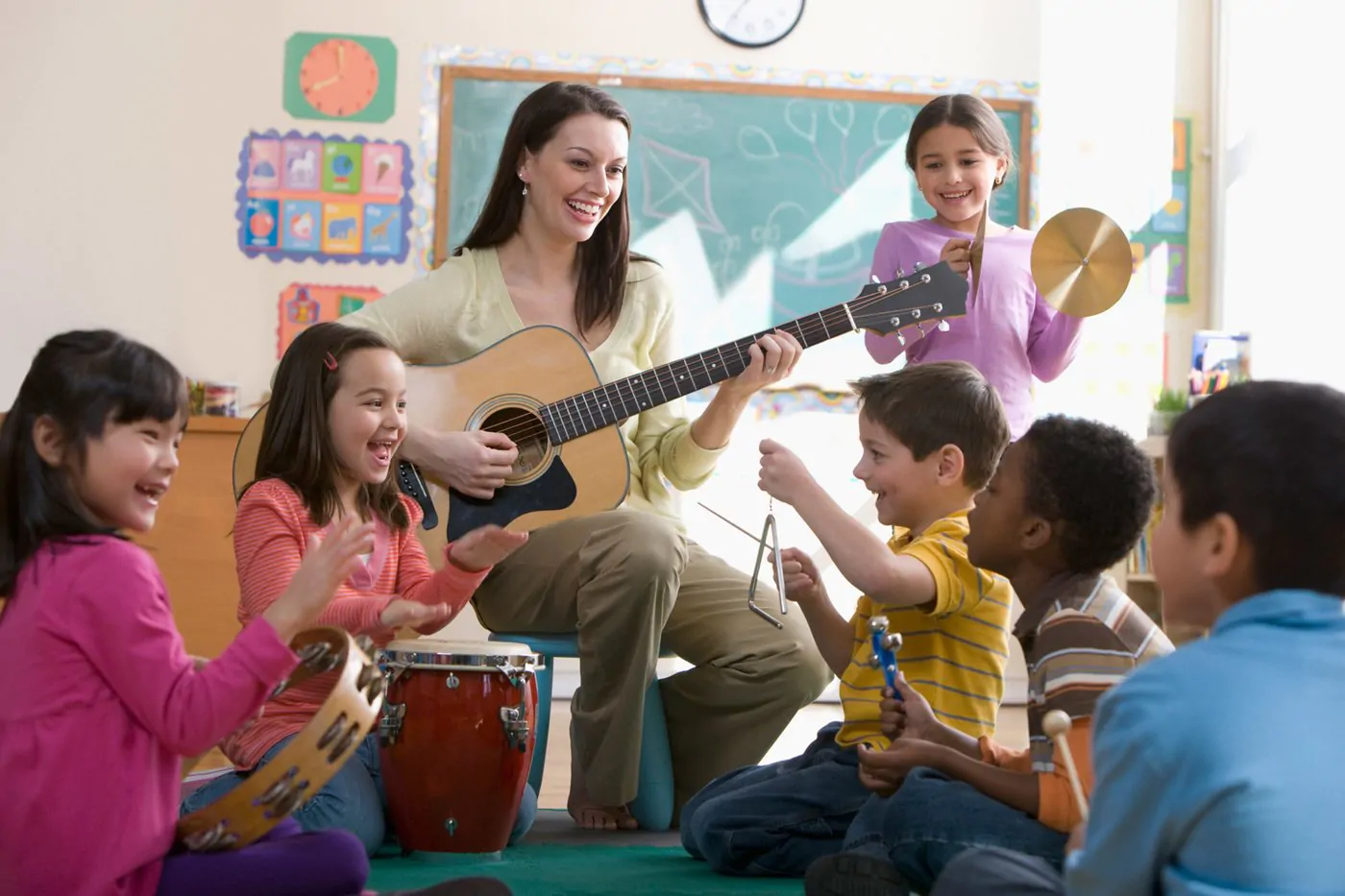
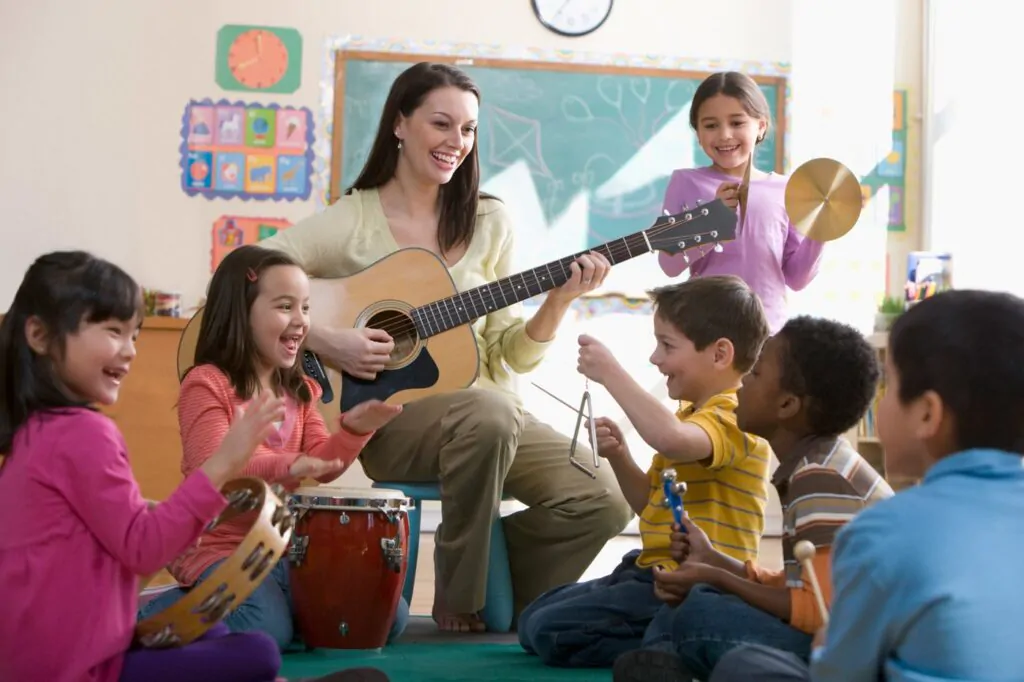
For toddlers, movement is an expression of joy and curiosity. Dancing, hopping, swaying, and clapping to music engage the body and mind simultaneously. Through music education for preschoolers, Kiddonia helps children refine coordination, rhythm, and balance while building stronger muscles and motor control.
Playing instruments like tambourines, shakers, or hand drums encourages fine motor development and hand-eye coordination. Even simple actions like tapping to the beat or following a melody improve spatial awareness and body control.
In Kiddonia’s classrooms, movement isn’t separate from learning — it is learning. Every musical activity turns energy into focus and motion into mastery.
2. Boosting Cognitive Growth Through Music
One of the biggest benefits of music education for preschoolers lies in its impact on brain development. Music engages both hemispheres of the brain, strengthening memory, pattern recognition, and problem-solving skills.
At Kiddonia Preschool, teachers use rhythmic songs and musical games to introduce early math and language concepts. Counting beats, recognizing sound patterns, or sequencing notes builds logic and spatial reasoning — skills that support future learning in science and mathematics.
Singing rhymes and repeating lyrics improve listening and pronunciation, expanding a child’s vocabulary naturally. Music also teaches cause and effect — press a key, hear a sound — which enhances curiosity and reasoning.
Through song and rhythm, toddlers learn how the world connects, one beat at a time Secured.
3. Enhancing Language and Communication Skills
Songs and chants are powerful tools for language development. The repetitive nature of melodies helps children remember new words and phrases effortlessly music education for preschoolers.
At Kiddonia, musical activities encourage children to sing together, echo sounds, and express feelings through words and rhythm. Story-based songs strengthen comprehension, while rhymes improve phonemic awareness — the foundation of reading readiness.
Educators often use action songs like “Head, Shoulders, Knees, and Toes” to connect language with movement, reinforcing word meaning through physical response. This multisensory learning makes communication more engaging and effective.
4. Encouraging Social Interaction and Teamwork
Music naturally brings children together. Group singing, dancing, and rhythm circles at Kiddonia promote cooperation, sharing, and empathy.
In every session of music education for preschoolers, children learn to listen to others, take turns, and participate as a team. They experience the joy of creating something together — a melody, a rhythm, or a dance — that celebrates unity and collaboration.
This early exposure to teamwork helps toddlers develop strong interpersonal skills that prepare them for group settings in school and beyond.
5. Promoting Emotional Expression and Self-Confidence
Music provides a safe outlet for emotional expression. A cheerful tune can bring smiles, while soft lullabies soothe and calm. Kiddonia teachers use music to help children recognize and manage emotions — excitement, sadness, frustration, or joy — through rhythm and movement.
Dancing freely or singing proudly in front of peers fosters confidence and self-esteem. Children learn that their voices and movements are unique and valued.
When toddlers sway to a beat or sing along with enthusiasm, they are not just having fun — they are learning to express themselves authentically.
6. Cultivating Creativity and Imagination
Every note of music opens the door to imagination. Kiddonia Preschool encourages children to invent songs, create dance routines, or explore different sounds with instruments.
These creative experiences nurture innovation and problem-solving. A child who learns to improvise musically learns to think flexibly and approach challenges creatively.
Through music education for preschoolers, Kiddonia builds not only future musicians but also confident thinkers and imaginative dreamers.
7. Introducing Cultural Awareness Through Music
Music is a bridge between cultures. Kiddonia incorporates songs, rhythms, and instruments from around the world, teaching children to appreciate diversity and inclusion from an early age.
Whether exploring Indian folk beats, African drumming patterns, or Western classical tunes, children discover that music connects everyone, regardless of background or language. This exposure fosters respect, curiosity, and global awareness — values that Kiddonia proudly promotes.
8. Strengthening the Parent-Child Bond
Music also deepens emotional connections at home. Kiddonia encourages parents to continue musical play with their children — singing lullabies, dancing together, or using household objects as instruments.
These shared moments create warmth, trust, and communication beyond words. When families engage in music together, they reinforce what children learn at school and make memories that last a lifetime.
Summary
The power of music education for preschoolers lies in its ability to teach through joy. Music strengthens the body, sharpens the mind, and touches the heart — all while nurturing creativity, confidence, and connection.
At Kiddonia Preschool, music is more than an activity; it’s an experience woven into every part of early learning. Through rhythm, melody, and movement, children explore the world around them, build essential skills, and discover the happiness that learning can bring.
By introducing music early, parents and educators give toddlers a gift that lasts forever — the ability to learn, express, and grow with harmony.
Explore how Kiddonia Preschool integrates music into its innovative learning programs at 👉 www.kiddoniapreschool.com.