Warning: Undefined array key "find" in /home/u411721261/domains/kiddoniapreschool.com/public_html/wp-content/plugins/seo-by-rank-math-pro/includes/modules/image-seo/class-image-seo-pro.php on line 465
Warning: Undefined array key "replace" in /home/u411721261/domains/kiddoniapreschool.com/public_html/wp-content/plugins/seo-by-rank-math-pro/includes/modules/image-seo/class-image-seo-pro.php on line 465
Warning: Undefined array key "find" in /home/u411721261/domains/kiddoniapreschool.com/public_html/wp-content/plugins/seo-by-rank-math-pro/includes/modules/image-seo/class-image-seo-pro.php on line 465
Warning: Undefined array key "replace" in /home/u411721261/domains/kiddoniapreschool.com/public_html/wp-content/plugins/seo-by-rank-math-pro/includes/modules/image-seo/class-image-seo-pro.php on line 465
Preschool education is more than just ABCs and numbers — it is about building a strong foundation for lifelong learning. One of the most effective approaches is theme-based learning for preschool, which allows children to explore shapes, patterns, and designs through fun and engaging experiences. By linking classroom activities to everyday themes, children not only recognize shapes but also develop creativity, problem-solving abilities, and social skills.
What is Theme-Based Learning for Preschool?
Theme-based learning for preschool uses a central concept or idea — such as shapes, animals, seasons, or colors — to connect multiple subjects into one meaningful experience. Instead of teaching math, art, and language separately, these subjects are integrated around a theme. For example, while learning about “circles,” children might count circular objects, draw circle patterns, and listen to a story about the sun and the moon.
Why Shapes and Patterns Matter in Early Education
Shapes are a natural fit for theme-based learning for preschool. When children play with shapes and patterns, they strengthen their spatial awareness and logical thinking. Patterns also introduce the concept of sequencing, which forms the basis for early math skills. By using everyday items like fruits, building blocks, and classroom objects, teachers can connect lessons to children’s real-world experiences.
Fun Activities with Theme-Based Learning
Hands-on activities are at the heart of theme-based learning for preschool. For instance:
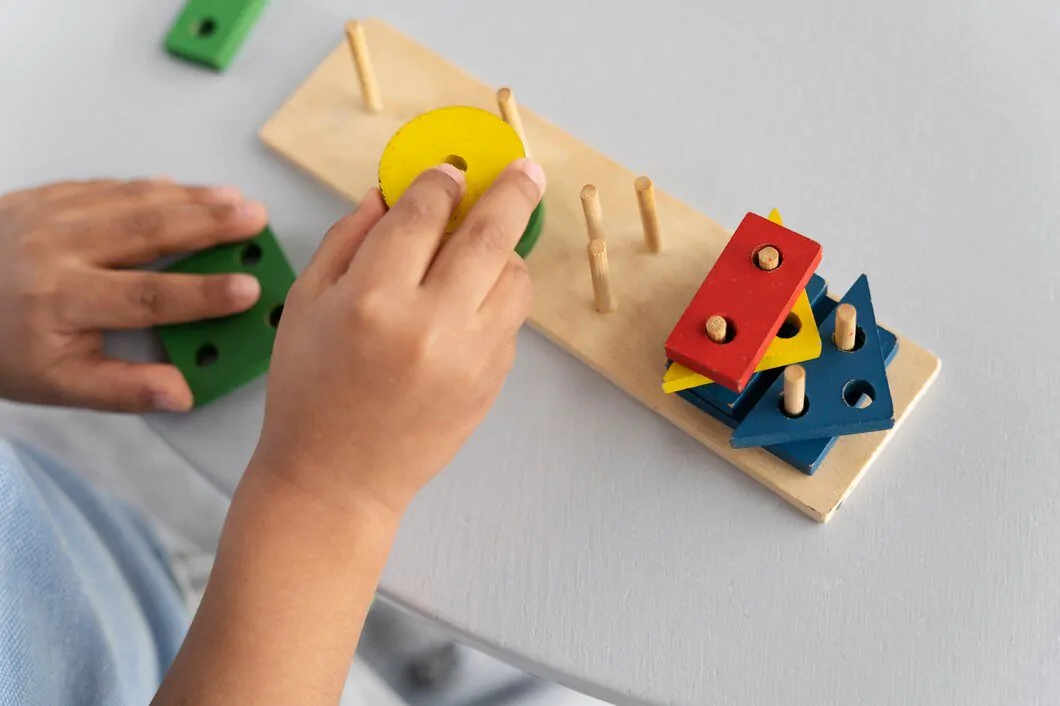
- Shape Sorting Games: Children group toys or blocks by shape, learning classification skills.
- Pattern Collages: Kids use paper, beads, or natural objects to create repeating patterns.
- Story Time with Shapes: Teachers weave stories where triangles become mountains or squares turn into houses.
- Outdoor Shape Hunt: Children search for patterns in leaves, tiles, and playground structures.
Each of these activities blends creativity with cognitive development.
Nurturing Creativity Through Patterns
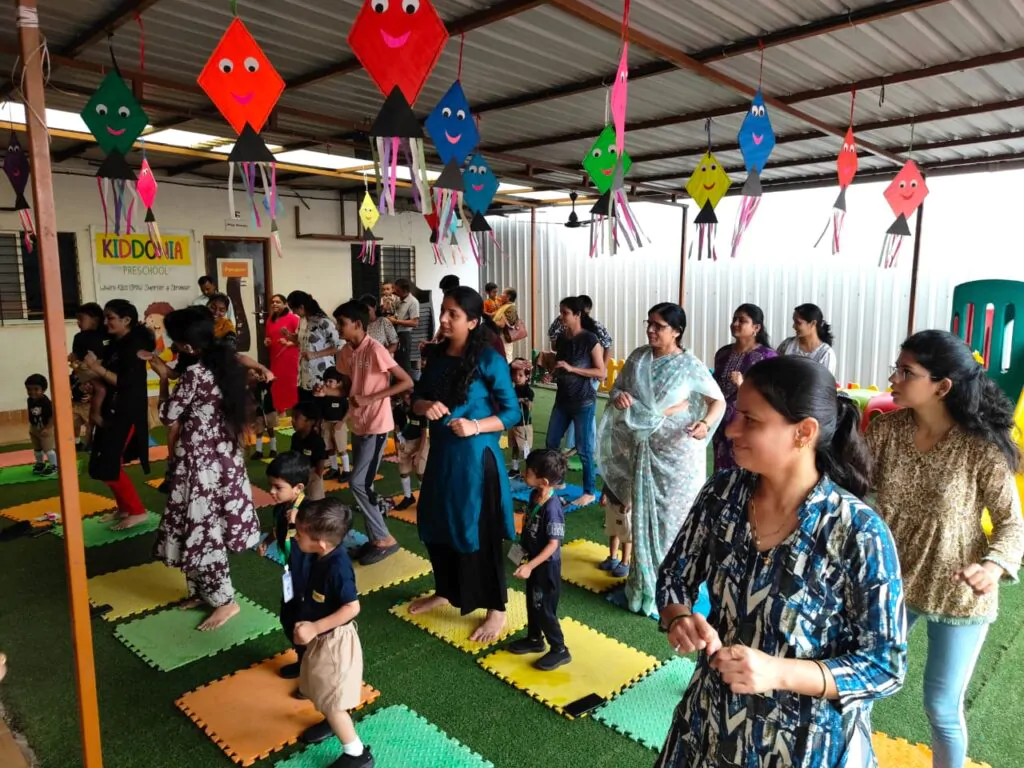
When teachers apply theme-based learning for preschool, creativity flourishes. Exploring designs through art projects — such as painting circles, making triangle kites, or building cardboard castles — allows children to express imagination while learning about structure. These projects boost confidence and encourage innovation from an early age.
Building Social Skills with Group Themes
Themes like “shapes in nature” or “patterns in clothes” provide opportunities for teamwork. Group craft projects, circle dances, or collaborative building activities encourage cooperation and communication. Through theme-based learning for preschool, children learn to share ideas, solve problems together, and appreciate diversity in their peers’ creations.
Parental Role in Theme-Based Learning
Parents play a vital role in reinforcing classroom lessons at home. For example, families can extend theme-based learning for preschool by pointing out shapes during grocery shopping or while cooking. Parents may also engage kids in simple home projects like arranging fruit slices into patterns or creating art with recyclable materials. This involvement strengthens the connection between home and school.
Technology and Theme-Based Learning
In today’s world, technology can enrich the preschool experience. Interactive apps and digital games designed around theme-based learning for preschool introduce shapes and patterns in exciting ways. Animated puzzles, shape-matching activities, and digital art tools complement traditional teaching methods, ensuring children remain engaged while developing tech-friendly learning skills.
Overcoming Challenges in Teaching Patterns
Not every child learns at the same pace. Some may quickly recognize shapes, while others need repeated exposure. By adopting theme-based learning for preschool, teachers can personalize the approach. Visual learners benefit from colorful flashcards, hands-on learners thrive with clay modeling, and auditory learners enjoy rhymes and songs about shapes. This flexibility ensures inclusivity for all learning styles.
Assessing Progress in Theme-Based Learning
Tracking children’s growth is vital. Through observation, creative portfolios, and playful assessments, teachers monitor how well students understand shapes and patterns. Theme-based learning for preschool makes progress evaluation more natural because children demonstrate understanding through their projects, group work, and storytelling rather than through stressful tests.
Long-Term Benefits of Theme-Based Education
The greatest advantage of theme-based learning for preschool is that it prepares children for complex future learning. Recognizing patterns builds early math readiness, while design activities inspire artistic expression. Moreover, linking learning to daily life ensures that knowledge stays with children long after classroom sessions end.
Conclusion: Shaping the Future with Themes
In conclusion, playful patterns and shape exploration become powerful learning tools when connected through theme-based learning for preschool. By blending fun, creativity, and structured themes, preschools like Kiddonia in Ravet provide children with the skills and confidence they need for future success.
When children see shapes not just as figures on paper but as part of stories, art, and everyday experiences, they gain a deeper love for learning. With the right themes, preschoolers can transform simple patterns into meaningful discoveries that shape their journey for years to come.